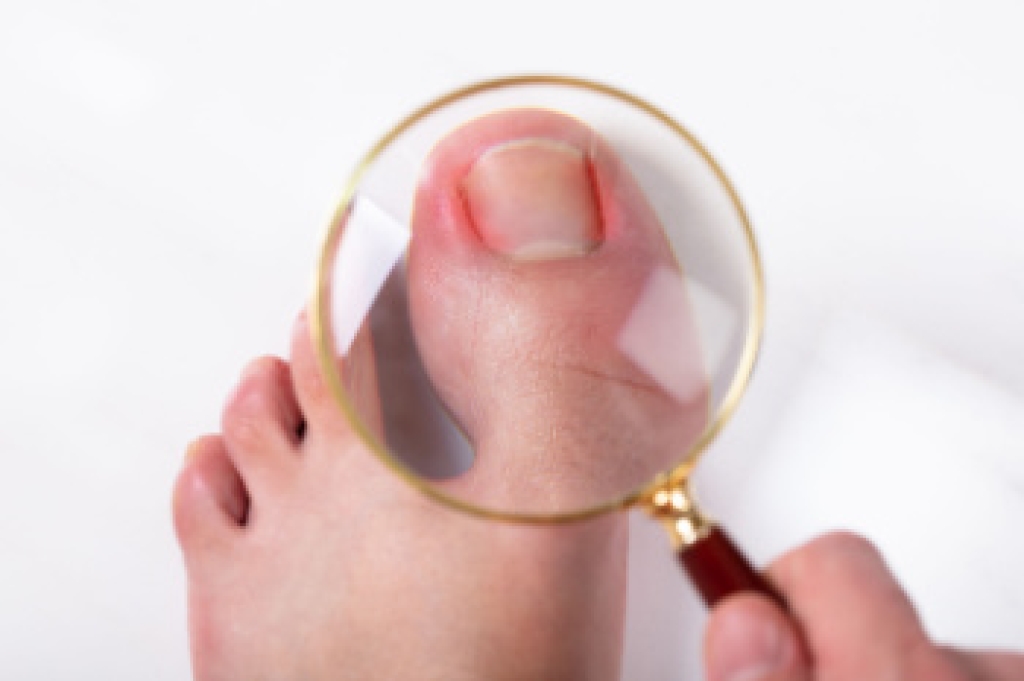
All About Gout and Your Feet

Gout is a painful type of arthritis that often affects the big toe, but can also impact other joints in the feet and ankles. It is more likely to occur in men over 40, postmenopausal women, and individuals with a diet high in red meat, seafood, or alcohol. Gout develops when uric acid builds up in the blood and forms sharp crystals in the joints. These crystals cause sudden episodes of severe pain, redness, swelling, and warmth, often waking people at night. The affected area may appear shiny, inflamed, and extremely tender to the touch. A podiatrist can help diagnose gout through physical examination, imaging, and laboratory testing to measure uric acid levels. Treatment may include medication to reduce inflammation and pain, dietary changes, and long-term management to prevent future flare-ups. If you experience symptoms of gout, it is suggested that you make an appointment with a podiatrist to receive proper care and relief. 

Gout is a painful condition that can be treated. If you are seeking treatment, contact Deann Hofer Ogilvie, DPM from Ascend Foot & Ankle Center. Our practitioner will treat your foot and ankle needs.

What Is Gout?

Gout is a form of arthritis that is characterized by sudden, severe attacks of pain, redness, and tenderness in the joints. The condition usually affects the joint at the base of the big toe. A gout attack can occur at any random time, such as the middle of the night while you are asleep.

Symptoms

  • Intense Joint Pain - Usually around the large joint of your big toe, and it most severe within the first four to twelve hours
  • Lingering Discomfort - Joint discomfort may last from a few days to a few weeks
  • Inflammation and Redness -Affected joints may become swollen, tender, warm and red
  • Limited Range of Motion - May experience a decrease in joint mobility

Risk Factors

  • Genetics - If family members have gout, you’re more likely to have it
  • Medications - Diuretic medications can raise uric acid levels
  • Gender/Age - Gout is more common in men until the age of 60. It is believed that estrogen protects women until that point
  • Diet - Eating red meat and shellfish increases your risk
  • Alcohol - Having more than two alcoholic drinks per day increases your risk
  • Obesity - Obese people are at a higher risk for gout

Prior to visiting your podiatrist to receive treatment for gout, there are a few things you should do beforehand. If you have gout you should write down your symptoms--including when they started and how often you experience them, important medical information you may have, and any questions you may have. Writing down these three things will help your podiatrist in assessing your specific situation so that he or she may provide the best route of treatment for you.

If you have any questions, please feel free to contact our office located in Lafayette, CO . We offer the newest diagnostic and treatment technologies for all your foot care needs.

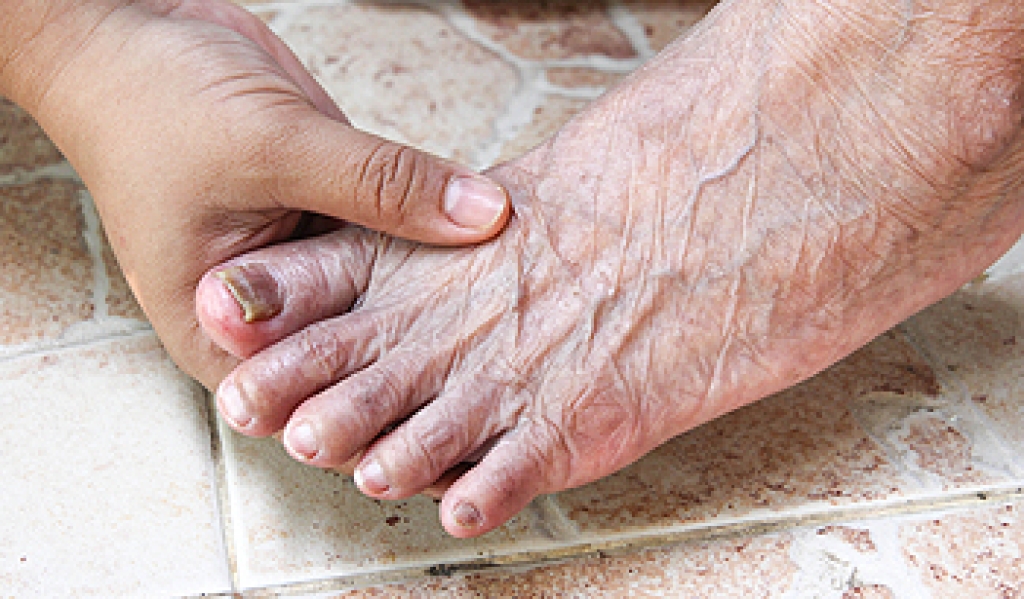
Read more about Gout

Proper Footwear Matters in Food Service Jobs

Working in food service often requires standing and walking on hard floors for long hours, which can strain the feet and ankles. Without proper footwear, this constant pressure can lead to heel pain, arch discomfort, and inflammation of the plantar fascia, the ligament that supports the foot’s arch. Shoes designed for food service should have firm midsoles, closed toes and heels, and slip-resistant soles to help prevent falls on slick surfaces. Footwear with poor structure or loose straps can cause instability and increase the risk of injury. A podiatrist can evaluate foot mechanics, check for pressure points, and prescribe custom insoles to improve alignment, cushioning, and overall comfort during long shifts. Properly fitted shoes and supportive insoles can make a significant difference in reducing foot fatigue and preventing long-term problems. If you have foot pain from standing at work, it is suggested that you make an appointment with a podiatrist for a diagnosis and treatment options.

While working on the feet, it is important to take the proper care of them. For more information about working on your feet, contact Deann Hofer Ogilvie, DPM from Ascend Foot & Ankle Center. Our practitioner will treat your foot and ankle needs.

Working on Your Feet

Standing on your feet for long periods of time can cause stress and pain in your feet. Your whole body may experience change in terms of posture, back pain, bunions, callouses and or plantar warts. There are ways to avoid these conditions with proper foot care, smart choices and correct posture.

Positive Changes

Negative heeled shoe – Choosing this shoe type places the heel slightly lower than the ball of the foot. These are great for overall foot health. Find shoes that fit you correctly.

Go barefoot – Our feet were not designed to be enclosed for all hours of the day. Try to periodically expose your feet to air.

Eliminate Pain

Foot Exercises – Performing simple exercises, incorporating yoga and doing stretches are beneficial. This will allow increased blood flow to the area and muscles of the foot.

Achilles tendon – Stretching the foot out flat on the floor will relax the calf muscles and tendon. These exercises can be performed almost anywhere. Make sure you add these exercises to your daily regimen. 

With a little bit of this information and knowing more about foot health, you will notice changes. Foot stretches and proper footwear will help with pain and prevent further issues.

If you have any questions please contact our office located in Lafayette, CO . We offer the newest diagnostic and treatment technologies for all your foot and ankle needs.

Read more about How to Handle a Long Work Day on Your Feet

Keep Your Feet Healthy So You Can Stay Active

Have your feet inspected by a professional before starting a new sport or physical activity. Taking charge of your foot health will keep you in good physical condition and can help you avoid a potential injury, such as a fracture or sprained ankle.

Prevent injuries and see a foot specialist.

Building a Healthy Everyday Foot Care Routine

Maintaining a daily foot care routine is essential for comfort and long-term health. Start by washing your feet thoroughly with soap and warm water to remove dirt and bacteria, then dry them completely to prevent fungal growth. Regular exfoliation helps remove dead skin and keeps heels smooth. Trim toenails straight across to prevent ingrown nails and gently file rough edges. Additionally, moisturizing daily maintains softness and reduces cracking. A podiatrist can provide professional advice on proper foot hygiene, nail trimming, and treatment for corns, calluses, or infections. If you notice persistent dryness, pain, or nail changes, it is suggested that you schedule a visit with a podiatrist who can treat various foot conditions, and guide you on additional everyday foot care tips. 

Everyday foot care is very important to prevent infection and other foot ailments. If you need your feet checked, contact Deann Hofer Ogilvie, DPM from Ascend Foot & Ankle Center. Our practitioner can provide the care you need to keep you pain-free and on your feet.

Everyday Foot Care

Often, people take care of their bodies, face and hair more so than they do for their feet. But the feet are a very important aspect of our bodies, and one that we should pay more attention to. Without our feet, we would not be able to perform most daily tasks.

It is best to check your feet regularly to make sure there are no new bruises or cuts that you may not have noticed before. For dry feet, moisturizer can easily be a remedy and can be applied as often as necessary to the affected areas. Wearing shoes that fit well can also help you maintain good foot health, as well as making it easier to walk and do daily activities without the stress or pain of ill-fitting shoes, high heels, or even flip flops. Wearing clean socks with closed shoes is important to ensure that sweat and bacteria do not accumulate within the shoe. Clean socks help to prevent Athlete’s foot, fungi problems, bad odors, and can absorb sweat.

If you have any questions, please feel free to contact our office located in Lafayette, CO . We offer the newest diagnostic and treatment technologies for all your foot care needs.

Read more about Every Day Foot Care

Causes of Plantar Heel Pain and How to Find Relief

Plantar heel pain refers to discomfort at the bottom of the heel that can make standing or walking difficult. Common causes include plantar fasciitis and calcaneal spur syndrome, which is also known as a heel spur. This pain often develops gradually and may worsen with the first steps in the morning or after long periods of rest. Diagnosis involves a physical exam along with imaging such as X rays or CT scans to identify the underlying cause. A podiatrist can design a customized treatment plan that may include stretching exercises, custom orthotics, footwear recommendations, and advanced therapies for pain relief and healing. Heel pain can be debilitating, and may limit your mobility. If this applies to you, it is suggested that you consult a podiatrist who can provide expert advice and appropriate treatment solutions.

Many people suffer from bouts of heel pain. For more information, contact Deann Hofer Ogilvie, DPM of Ascend Foot & Ankle Center. Our practitioner can provide the care you need to keep you pain-free and on your feet.

Causes of Heel Pain

Heel pain is often associated with plantar fasciitis. The plantar fascia is a band of tissues that extends along the bottom of the foot. A rip or tear in this ligament can cause inflammation of the tissue.

Achilles tendonitis is another cause of heel pain. Inflammation of the Achilles tendon will cause pain from fractures and muscle tearing. Lack of flexibility is also another symptom.

Heel spurs are another cause of pain. When the tissues of the plantar fascia undergo a great deal of stress, it can lead to ligament separation from the heel bone, causing heel spurs.

Why Might Heel Pain Occur?

  • Wearing ill-fitting shoes                
  • Wearing non-supportive shoes
  • Weight change           
  • Excessive running

Treatments

Heel pain should be treated as soon as possible for immediate results. Keeping your feet in a stress-free environment will help. If you suffer from Achilles tendonitis or plantar fasciitis, applying ice will reduce the swelling. Stretching before an exercise like running will help the muscles. Using all these tips will help make heel pain a condition of the past.

If you have any questions, please feel free to contact our office located in Lafayette, CO . We offer the newest diagnostic and treatment technologies for all your foot care needs.

Read more about Heel Pain

Connect With Us