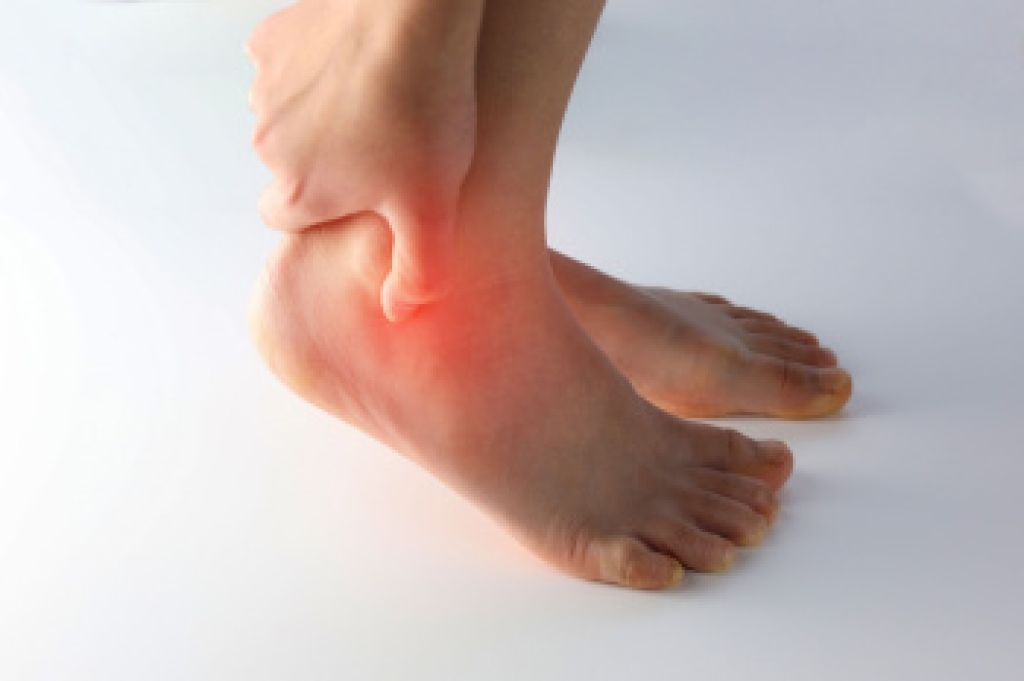
Ankle Movement and Injury Risk

The biomechanics of the ankle involve a complex system of bones, ligaments, and tendons, that allow the foot to move smoothly when walking, running, and standing. The ankle and foot work together to provide balance, absorb shock, and adapt to different surfaces. When this motion becomes uneven or strained, it can lead to sprains, tendon irritation, or joint instability. Poor alignment, overuse, or sudden changes in activity can disrupt normal movement patterns. People may notice pain, swelling, or a feeling of weakness when the ankle is not functioning properly. A podiatrist can evaluate gait, assess joint motion, and identify areas of imbalance that may be contributing to injury. Treatment may include supportive devices or targeted care to restore proper function. If you have ankle pain, it is suggested that you consult a podiatrist who can offer effective relief options.

If you have any concerns about your feet, contact Deann Hofer Ogilvie, DPM from Ascend Foot & Ankle Center. Our practitioner can provide the care you need to keep you pain-free and on your feet.

Biomechanics in Podiatry

Podiatric biomechanics is a particular sector of specialty podiatry with licensed practitioners who are trained to diagnose and treat conditions affecting the foot, ankle and lower leg. Biomechanics deals with the forces that act against the body, causing an interference with the biological structures. It focuses on the movement of the ankle, the foot and the forces that interact with them.

A History of Biomechanics

  • Biomechanics dates back to the BC era in Egypt where evidence of professional foot care has been recorded.
  • In 1974, biomechanics gained a higher profile from the studies of Merton Root, who claimed that by changing or controlling the forces between the ankle and the foot, corrections or conditions could be implemented to gain strength and coordination in the area.

Modern technological improvements are based on past theories and therapeutic processes that provide a better understanding of podiatric concepts for biomechanics. Computers can provide accurate information about the forces and patterns of the feet and lower legs.

Understanding biomechanics of the feet can help improve and eliminate pain, stopping further stress to the foot.

If you have any questions please feel free to contact our office located in Lafayette, CO . We offer the newest diagnostic and treatment technologies for all your foot and ankle needs.

Read more about The Importance of Biomechanics in Podiatry

How Rheumatoid Arthritis Can Affect the Feet

Rheumatoid arthritis is an autoimmune disease that causes the body’s immune system to attack the lining of the joints. It often affects the feet and ankles early in the condition. This ongoing inflammation can lead to pain, swelling, stiffness, and warmth in multiple joints at the same time. Many patients notice morning stiffness that improves slowly throughout the day, along with difficulty walking or standing for long periods. The feet may appear swollen or develop changes in shape as the joints become damaged over time. Common problems include bunion formation, hammertoes, and pain in the ball of the foot caused by joint instability. Rheumatoid arthritis can also weaken surrounding ligaments and tendons, making movement more uncomfortable. A podiatrist can evaluate how the disease is affecting foot structure and function and recommend treatment to improve comfort and mobility. Care may include wearing supportive footwear, targeted exercises, and coordination with other healthcare providers for long-term management. If   rheumatoid arthritis is affecting your feet, it is suggested that you schedule an appointment with a podiatrist for effective relief and management tips.

Because RA affects more than just your joints, including the joints in your feet and ankles, it is important to seek early diagnosis from your podiatrist if you feel like the pain in your feet might be caused by RA. For more information, contact Deann Hofer Ogilvie, DPM of Ascend Foot & Ankle Center. Our practitioner will assist you with all of your podiatric concerns.

What Is Rheumatoid Arthritis?

Rheumatoid Arthritis (RA) is an autoimmune disorder in which the body’s own immune system attacks the membranes surrounding the joints. Inflammation of the lining and eventually the destruction of the joint’s cartilage and bone occur, causing severe pain and immobility.

Rheumatoid Arthritis of the Feet

Although RA usually attacks multiple bones and joints throughout the entire body, almost 90 percent of cases result in pain in the foot or ankle area.

Symptoms

  • Swelling and pain in the feet
  • Stiffness in the feet
  • Pain on the ball or sole of feet
  • Joint shift and deformation

Diagnosis

Quick diagnosis of RA in the feet is important so that the podiatrist can treat the area effectively. Your doctor will ask you about your medical history, occupation, and lifestyle to determine the origin of the condition. Rheumatoid Factor tests help to determine if someone is affected by the disease.

If you have any questions, please feel free to contact our office located in Lafayette, CO . We offer the newest diagnostic and treatment technologies for all your foot care needs.

Read more about Rheumatoid Arthritis in the Feet

Connect With Us